~18 brands
A multi-brand retail fulfillment environment described in the interviews.

Investigating how e-commerce operators manage fulfillment, replenishment, system discrepancies, and human intervention across automated order management, ERP, and warehouse workflows.
 Scope
ScopeEnterprise retail & FMCG operations
 Role
RoleIndependent UX Researcher
 Status
Ongoing · 2 practitioner interviews completed
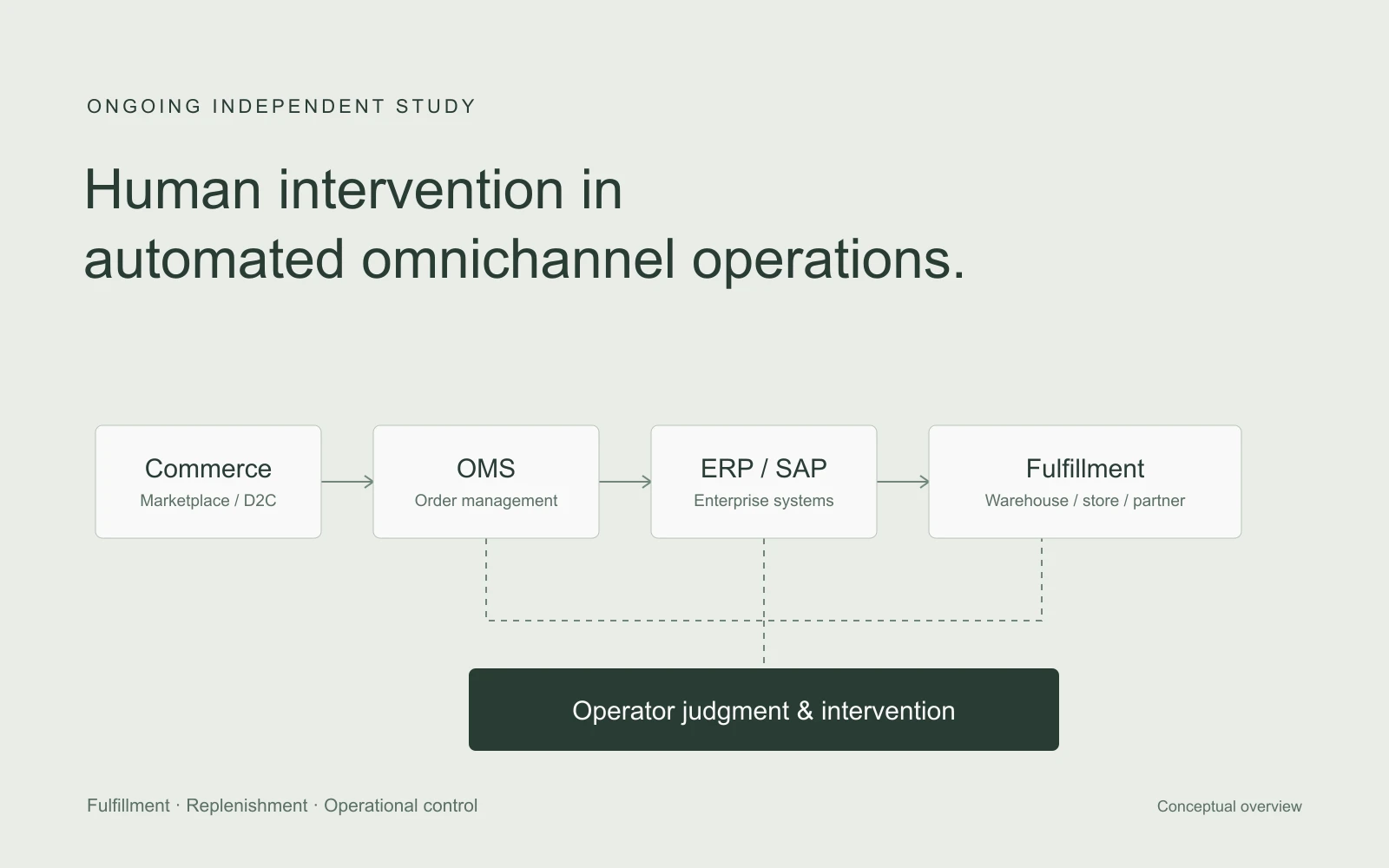
Routine e-commerce operations are increasingly automated, but operational teams still intervene when orders, inventory, fulfillment, or system states deviate from the expected flow.
This study begins with that remaining human work: understanding what operators do, why it matters, and whether the underlying friction can be addressed through design.
The aim is to understand the work before selecting a product direction. An interface change is one possible response; some issues may instead depend on capacity, coordination, or business rules.
Two practitioner interviews currently anchor the study: an e-commerce fulfillment operator in a large multi-brand retailer, and an e-commerce operations practitioner in a global fast-moving consumer goods (FMCG) environment. Company and participant names are withheld.
~18 brands
A multi-brand retail fulfillment environment described in the interviews.
3+ marketplaces
Major marketplace channels represented in the operational context.
OMS / SAP
Order management, ERP, and fulfillment-partner environments.
These figures describe the environments discussed, not the size of the research sample. Further interviews are in progress.
The conversations span marketplace and direct-to-consumer (D2C) channels, order management systems (OMS), SAP as an enterprise resource planning (ERP) system, and the teams or partners responsible for fulfillment.
Supporting tools: Excel · Power BI · internal tools
The interviews describe different operating contexts. Keeping the workflows separate helps identify where human effort appears without assuming both organizations share the same process.
Workflow A · Multi-brand retail
When fulfilled, the order continues toward the customer. Rejection can trigger rerouting to another store.
Workflow B · Global FMCG
Operators monitor fulfillment performance while the partner processes orders.
These are simplified workflow summaries from the interviews, not complete process maps. Exception paths are conditional.
Four early observations are shaping the next round of research. They are working interpretations of two interviews and still need to be tested across more participants.
Both participants described substantial automation across routine fulfillment and monitoring. The starting point is understanding where that automation already works and what still requires a person.
Operators step in when fulfillment risks a service-level agreement (SLA) breach, system states disagree, or a decision depends on business context that the automated flow does not capture.
Central e-commerce operations may own performance targets while stores or external fulfillment partners execute the work. Following up on an exception can therefore involve coordinating across teams.
Some human judgment is intentional, especially in replenishment and exception decisions. The research needs to distinguish useful oversight from avoidable effort before proposing changes.
These questions are candidate areas for further research. They do not yet represent validated needs, selected features, or a committed solution.
How might operators identify which orders need intervention before SLA or cancellation risk materializes?
How might systems help operators verify uncertain cross-system states without repetitive spreadsheet checking?
How might replenishment tools combine system recommendations with business context while reducing human-input errors?
The study has not reached prototyping or usability evaluation. No operational improvements or business outcomes are claimed at this stage.
More projects across research, commerce, systems, and spatial experiences.
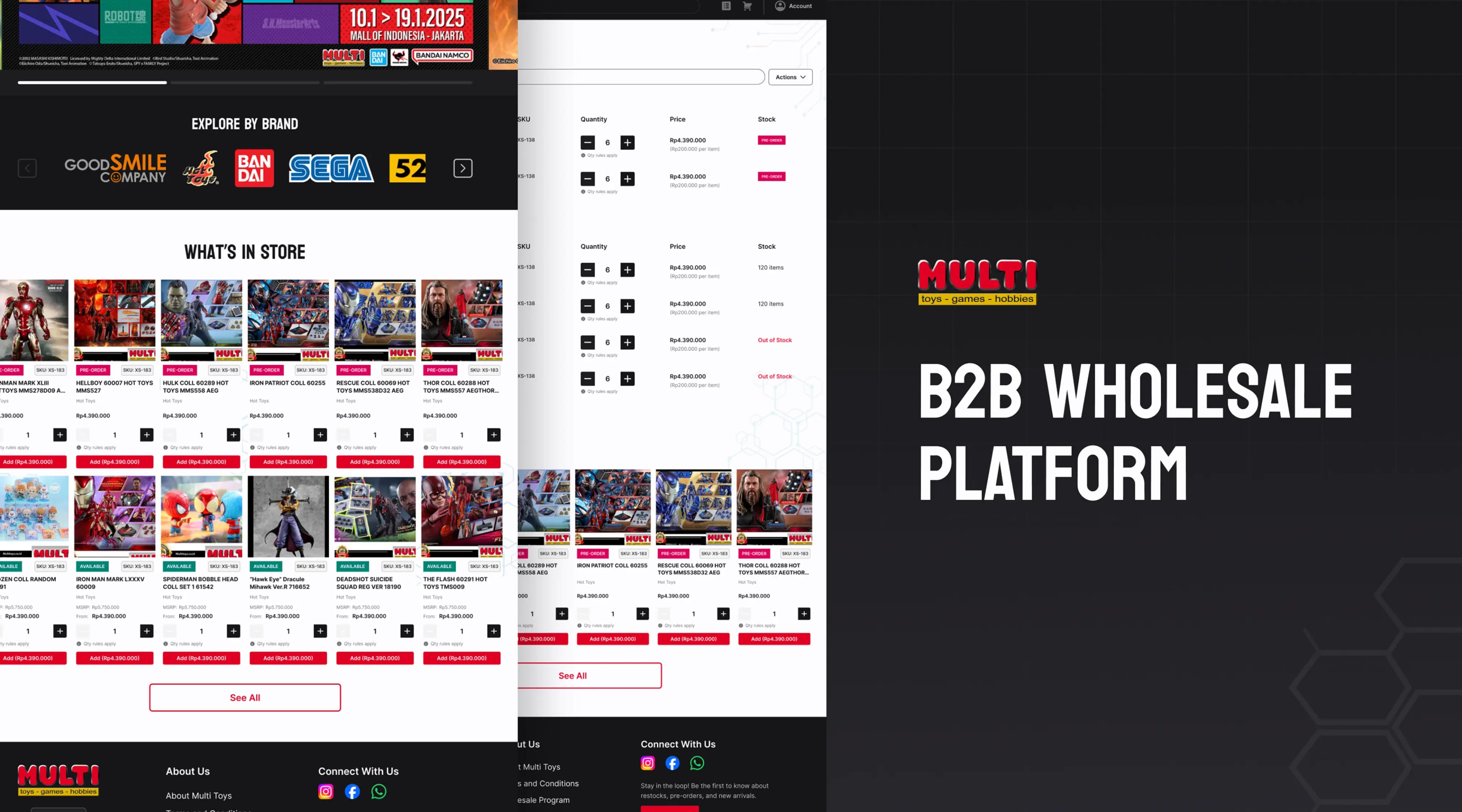
A business purchasing experience built around larger order quantities and recurring wholesale workflows.
Wholesale UX · Complex Flows · Repeat Ordering
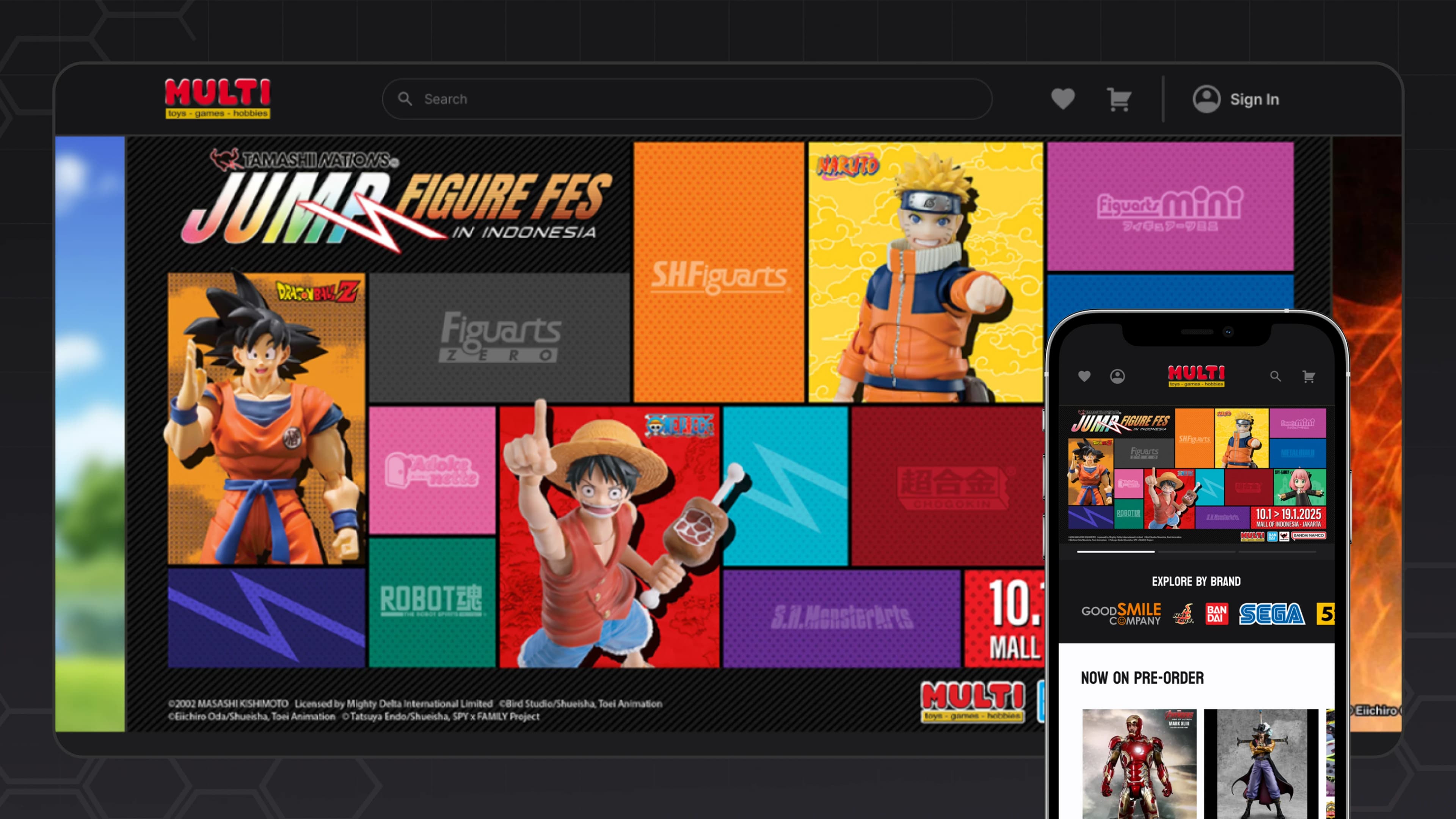
A responsive e-commerce redesign spanning the homepage, catalog, product detail, cart, checkout, and supporting shopping flows.
Redesign · E-commerce · Responsive Web
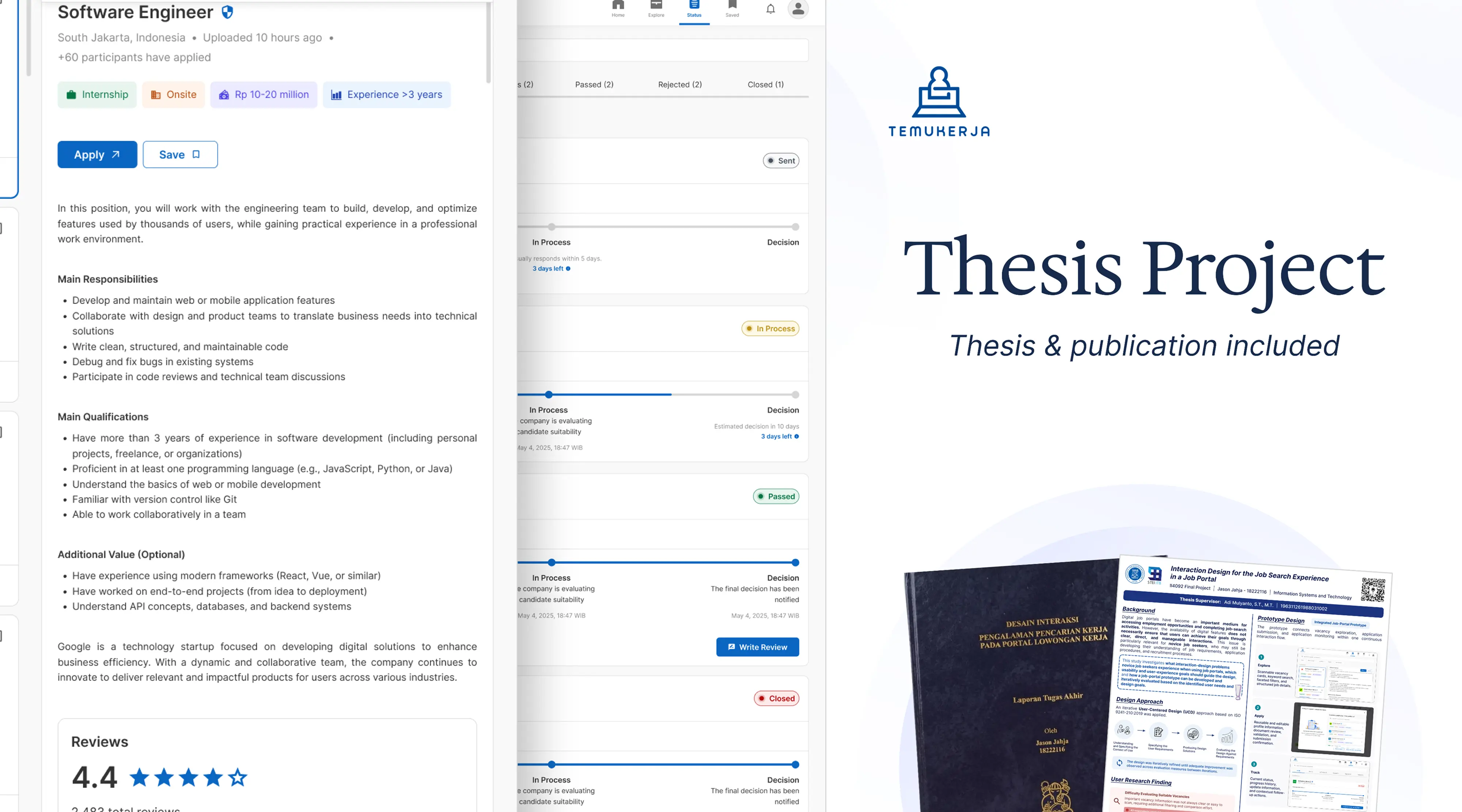
An undergraduate thesis developed through user research and three rounds of formative usability testing with novice job seekers.
UX Research · Usability Testing · Job Portal